Radio | News of the week in plain Finnish | Saturday 17.1.2026
Elderly care
Open image viewer
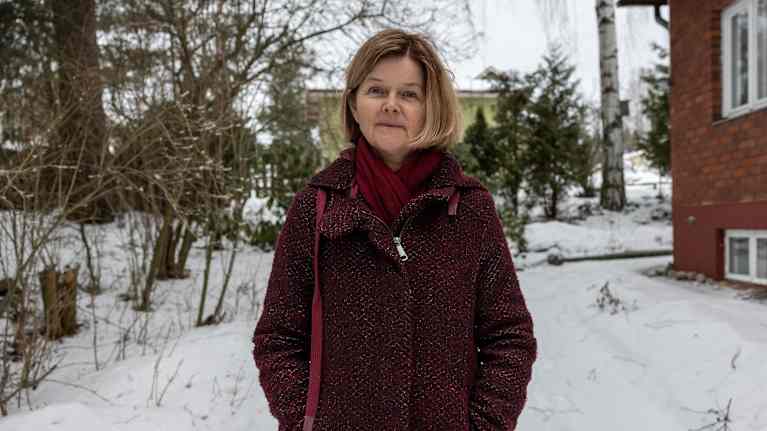
Ombudsman for the Elderly Päivi Topo. Photo: Jouni Immonen / Yle
17:06•Updated 18:02
Listen to the story 3:02
The week’s news in plain Finnish will be broadcast on Radio Suomessa on Saturday evening at 21:07. The program can also be heard on Yle Areena, but Areena is currently down. That’s why the program will not be broadcast there until later.
This week’s news is about elderly care. You can read the program text here.
There has been a lot of talk about eldercare this week.
There has been public debate about whether it is right to restrict the movement of an elderly person and, for example, tie them to a chair.
Now we will tell you more about it.
Police investigate death of elderly man

Open image viewer
Relatives say the elderly man died while tied to a chair in a nursing home. Photo: Ari Welling / Yle
Elderly care has become a topic of conversation this week as the police are investigating the death of an elderly person in a nursing home in Turku.
The elderly man suffered from Alzheimer’s disease, meaning he had memory loss. Relatives say he was tied to a chair with two belts. Police suspect he may have suffocated to death while trying to get out of the chair.
The death occurred in early December at the private Esperi Care nursing home.
Nursing homes have their own restrictions
Open image viewer
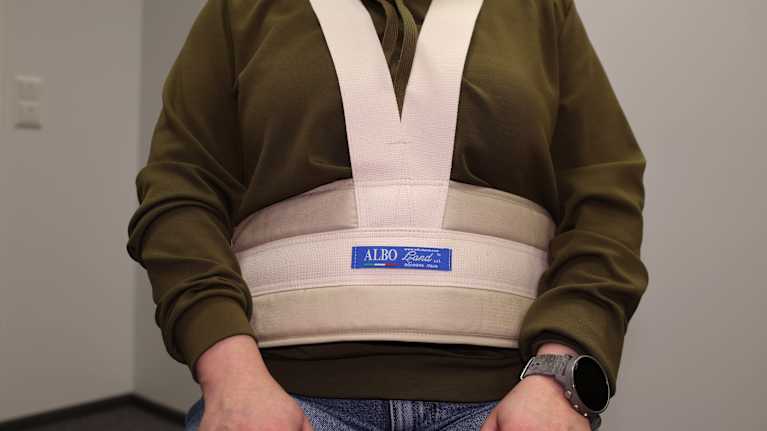
The movement of the elderly can be restricted, for example, by using a posture belt. The belt ties the person to a chair. Photo: Jere Sanaksenaho / Yle
Finland lacks legislation on restricting the movement of elderly people in nursing homes and institutions. Therefore, nursing homes have made their own instructions on restrictions.
For example, Esperi Care’s guidelines state that any restrictions on the elderly must always be approved by a doctor. Freedom may only be restricted if the person’s health and safety are seriously at risk and there is no other way.
However, experts say that restrictive measures such as tying are often used because there are not enough caregivers in nursing homes.
A law is needed on restrictive measures
Open image viewer
Ombudsman for the Elderly Päivi Topo. Photo: Jouni Immonen / Yle
Ombudsman for the Elderly Päivi Topo says that restricting the movement of the elderly is common in nursing homes.
There are many types of aids in use, such as seat belts, safety vests and high bed sides.
Topo says that there should always be a reason for restrictions and that restrictions should not last long.
However, the death of an elderly person in a Turku nursing home shows that restrictive measures have their own risks.
The Ombudsman for the Elderly says that the matter should be regulated by law. A law is needed so that all nursing homes have similar, safe practices on how to restrict the freedom of the elderly.
Repetition
This week’s news in plain Finnish told about elderly care.
The Ombudsman for the Elderly says that Finland needs a law on the use of restrictive measures in care services for the elderly.
There is currently no law, so nursing homes have made their own instructions on how to restrict the movement of the elderly.
This was the News of the Week. Tomorrow it’s Uutisviikko in plain Finnish.